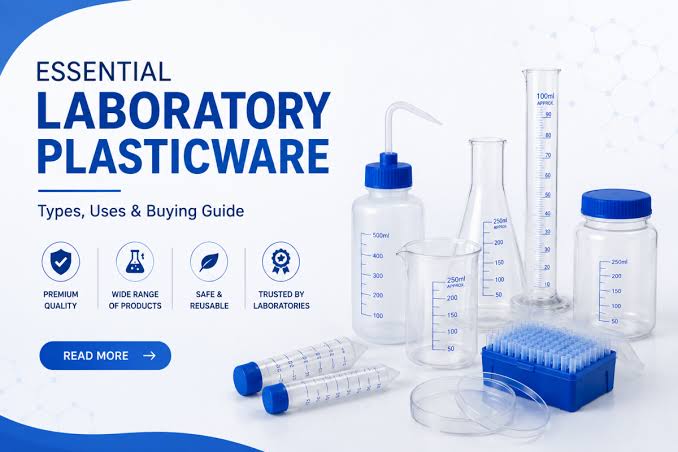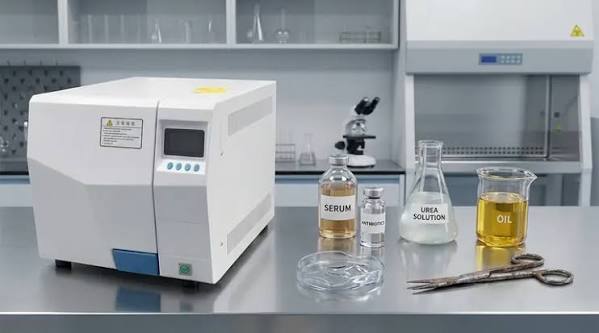
Autoclaving with high-pressure steam, usually at 121 °C, is one of the most common ways to sterilise laboratory equipment. But plastics respond very differently to heat, and a wrong choice can mean warped bottles and wasted material.
Which plastics are usually autoclavable?
- Polypropylene (PP): generally withstands repeated autoclaving and is the most common autoclavable lab plastic.
- Polymethylpentene (PMP): clear and autoclavable, a good alternative when transparency is important.
- Polycarbonate (PC): can be autoclaved, but repeated cycles may cause cloudiness or cracking over time.
Which plastics need extra care?
Polyethylene products, both LDPE and HDPE, usually have lower heat resistance and may deform in an autoclave. Always check the product specification before sterilising.
Tips for safe autoclaving
- Loosen the caps so steam can enter and pressure does not build up inside the container.
- Do not overfill. Leave headspace to allow for expansion.
- Use a suitable tray so plastic items do not touch the hot chamber walls.
- Allow cooling before tightening caps or handling the items.
- Inspect regularly. Discard items that are cracked, cloudy or deformed.
Final word
The product label and datasheet are your best guide. When in doubt, confirm the maximum temperature rating before sterilising any plasticware.