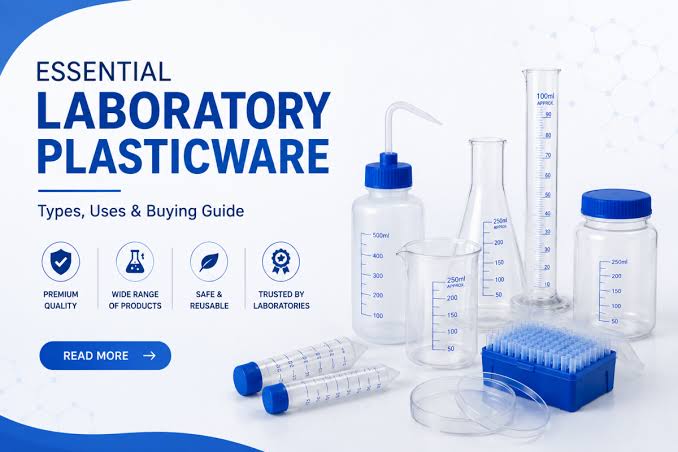
Laboratory plasticware is lighter, safer and often more economical than glass, but not every plastic suits every job. Choosing the wrong material can lead to leaching, cracking or contaminated results. A few simple checks make the decision easy.
1. Know your material
- Polypropylene (PP): good chemical resistance, translucent, and generally autoclavable. A popular choice for bottles, beakers and tubes.
- High-density polyethylene (HDPE): tough and resistant to many acids and alkalis. Often used for storage bottles and carboys.
- Low-density polyethylene (LDPE): soft and flexible, ideal for wash bottles and squeeze dispensers.
- Polycarbonate (PC): very clear and strong, but less resistant to strong alkalis and solvents.
2. Check chemical compatibility
Always compare the chemicals you use with the material resistance chart provided by the manufacturer. Solvents, strong acids and oxidising agents can affect some plastics over time.
3. Consider temperature limits
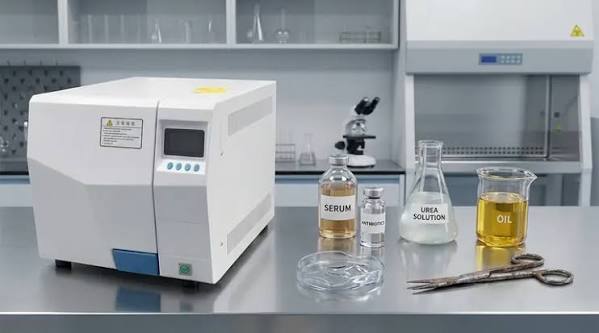
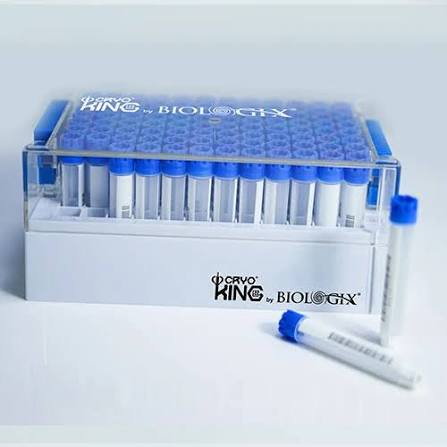
Look at both the upper and lower limits. If you plan to autoclave, freeze or heat your containers, confirm that the product is rated for it.
4. Think about accuracy and clarity
For measuring work such as cylinders and volumetric flasks, choose products with clear, permanent graduations and the correct accuracy class. For routine storage, clarity matters less than sealing and durability.
5. Match the product to the application
Microbiology, tissue culture, hospital use and general storage each have their own needs, such as sterility, certification or leak-proof closures. Pick products made for that specific purpose.
Not sure which product fits your work? Our team will be happy to help you choose.